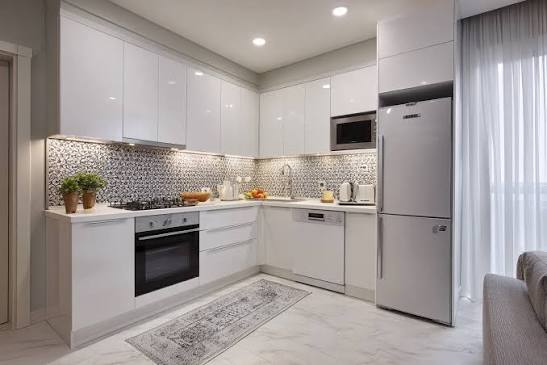
A kitchen is an essential part of everyday home life, providing a dedicated space for preparing meals, organizing groceries, and spending quality time with family. Although its main purpose is cooking, a well-designed kitchen can also become a comfortable place for conversations, morning coffee, and casual gatherings. Creating a space that balances appearance and functionality can make a noticeable difference in how a household operates.
One of the most important aspects of kitchen planning is choosing a layout that supports daily activities. A practical arrangement should provide enough room for food preparation, cooking, washing dishes, and storing essential items. Homeowners should consider how frequently they use different appliances and work surfaces before deciding where everything belongs. A carefully planned layout reduces unnecessary movement and makes the cooking process more convenient.
The selection of kitchen materials also influences durability and appearance. Cabinets, flooring, countertops, and wall finishes should complement one another while remaining suitable for regular use. For example, ceramic tiles are a popular flooring choice because they are relatively easy to clean, while quartz countertops offer an attractive and durable working surface. Choosing quality materials from the beginning can reduce the need for frequent replacements.
Storage is particularly important in kitchens where space is limited. Poor organization can quickly lead to crowded countertops and difficult-to-access cupboards. Installing additional drawers, adjustable shelves, and built-in organizers can help homeowners make better use of available space. A dedicated pantry is also useful for keeping dry food, spices, and household supplies organized. Keeping similar items together makes it easier to find ingredients when preparing meals.
Modern kitchens often include appliances designed to simplify household responsibilities. Dishwashers reduce the time spent washing dishes manually, while microwave ovens and modern cooking ranges offer greater convenience during busy schedules. Refrigerators with flexible storage compartments can also help organize groceries more effectively. When selecting appliances, it is sensible to consider energy ratings, dimensions, reliability, and maintenance costs rather than focusing only on appearance.
Colour selection can have a major effect on the overall atmosphere. Soft white, beige, grey, and natural wood finishes create a timeless appearance that works with many interior styles. Homeowners who prefer something more distinctive might introduce contrasting cabinet colours, decorative backsplashes, or modern handles. Even small decorative details can give an ordinary kitchen a more personalized character without requiring extensive renovation work.
Another feature worth considering is the kitchen backsplash. This area protects the wall behind cooking and washing stations from grease, moisture, and food splashes. Glass, ceramic, and porcelain tiles are commonly used because they offer different colours and patterns while remaining relatively easy to maintain. Selecting a backsplash that complements the countertops and cabinets can bring the entire design together.
Cleanliness should remain a priority regardless of the kitchen’s size or style. Food preparation surfaces need regular cleaning, and kitchen waste should be removed before unpleasant odors develop. Refrigerators should also be checked periodically to remove expired products and prevent unnecessary food waste. Establishing simple cleaning habits makes it easier to maintain a hygienic environment without spending hours on household chores.
Ventilation is equally necessary because cooking releases moisture, smoke, and odors into the surrounding air. An appropriately sized extractor hood can help remove these unwanted elements and improve indoor comfort. Good ventilation is especially valuable in smaller kitchens where steam and cooking smells can spread quickly into nearby rooms.
Homeowners should also think about future requirements when improving their kitchens. A family may eventually need additional storage, more preparation space, or appliances with greater capacity. Choosing flexible storage systems and practical finishes can help the kitchen adapt to changing household needs. It is often more beneficial to invest in useful improvements than to spend money on decorative features that offer little everyday value.
Ultimately, a successful kitchen should make daily routines easier while reflecting the personality of the people living in the home. Thoughtful organization, durable materials, suitable appliances, and proper lighting all contribute to a comfortable environment. Whether someone is updating a small apartment kitchen or renovating a large family space, focusing on practical details can create a welcoming room that remains useful and attractive for years.
Leave a Reply