Blog

  • Small Kitchen Design Ideas: Making Every Inch of Space Count

    Small Kitchen Design Ideas: Making Every Inch of Space Count

    A small kitchen can be just as beautiful, comfortable, and functional as a large one. Although limited space may create challenges, the right design choices can help homeowners create an attractive cooking area that meets their everyday needs. Smart storage, suitable colors, modern appliances, and proper lighting can transform even the smallest kitchen into a welcoming space.

    Choosing the Right Kitchen Layout

    The layout is one of the most important factors in small kitchen design. A practical arrangement allows homeowners to move comfortably between the sink, refrigerator, and cooking area.

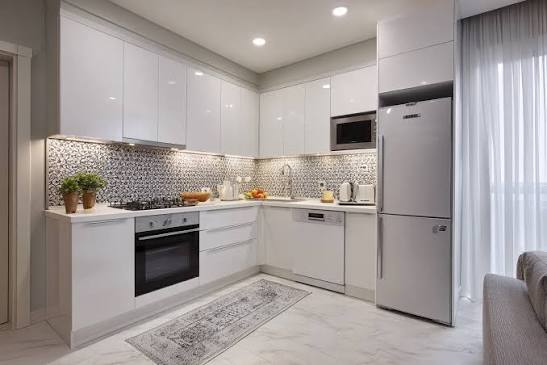
    An L-shaped kitchen is a popular option because it uses corner space efficiently. A single-wall layout is suitable for narrow rooms, while a galley kitchen can provide excellent functionality when designed carefully.

    Before selecting a layout, homeowners should consider available wall space, door positions, windows, and appliance dimensions.

    Using Light Colors to Create Space

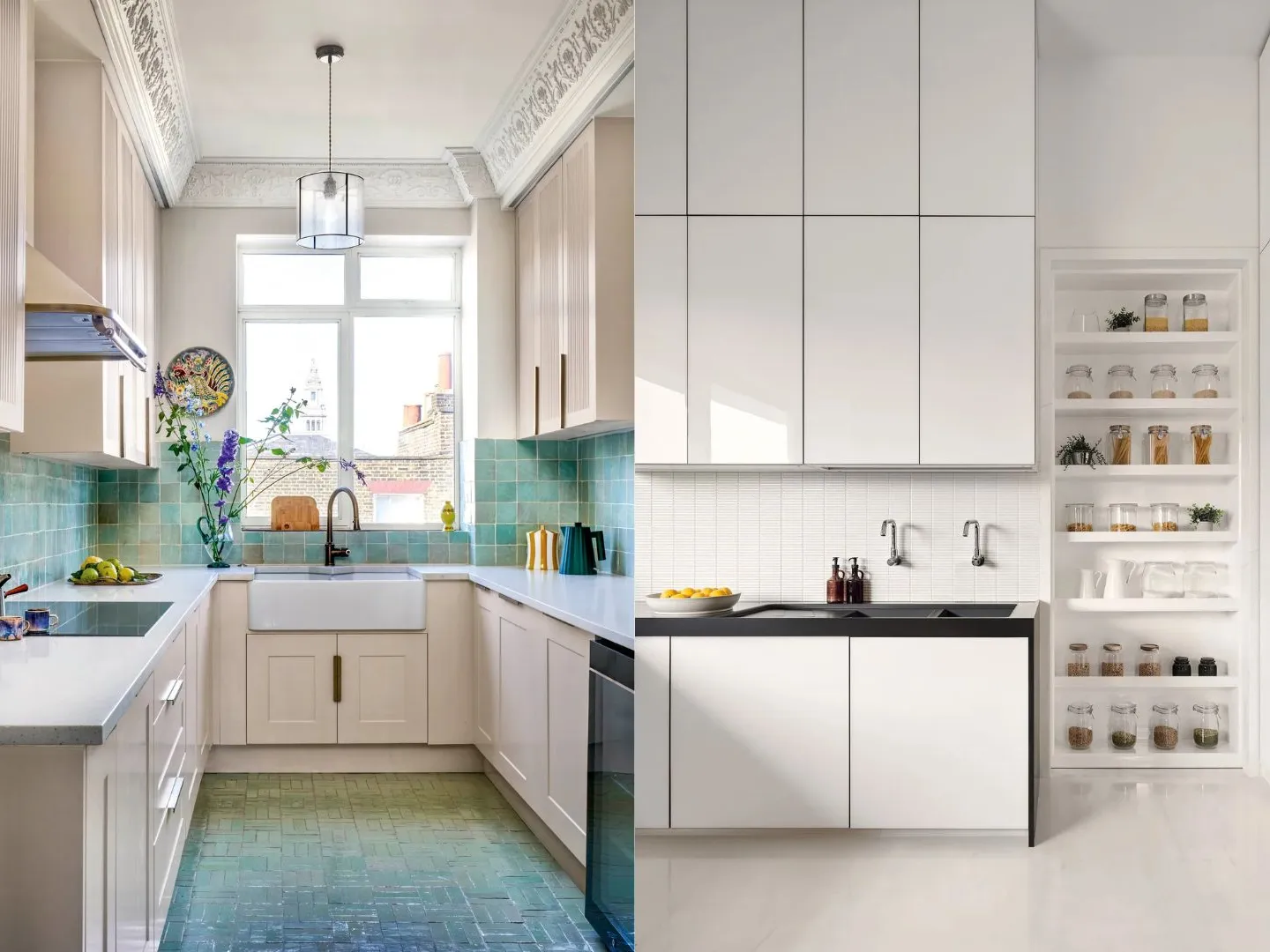
    Colors have a significant influence on how a kitchen looks and feels. Light shades such as white, cream, beige, and soft gray can make a small room appear brighter and more spacious.

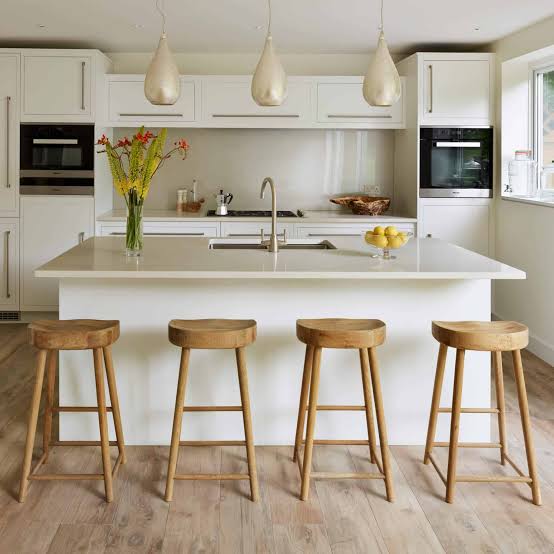
    White cabinets combined with light countertops create a clean and modern appearance. Natural wood accents can add warmth without making the kitchen feel crowded.

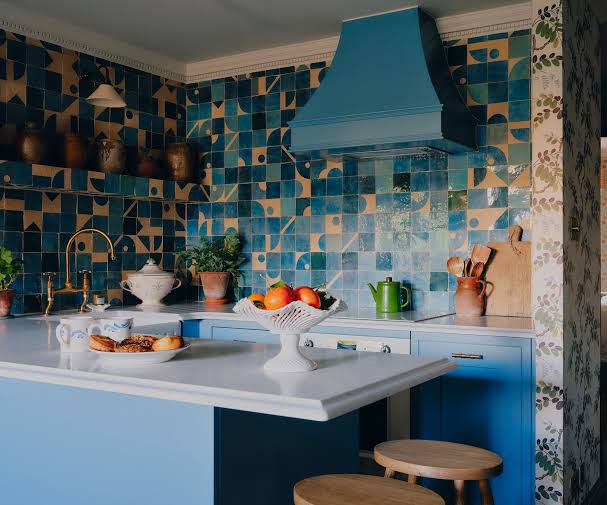
    Homeowners can also introduce subtle colors through decorative accessories, backsplash tiles, and kitchen furniture.

    Installing Space-Saving Cabinets

    Storage is often the biggest challenge in a small kitchen. Properly designed cabinets can help maximize available space while keeping essential items organized.

    Floor-to-ceiling cabinets provide additional storage without requiring extra floor space. Pull-out shelves, corner organizers, and deep drawers make it easier to access cookware and groceries.

    Open shelving is another option for storing frequently used dishes and decorative kitchen items. However, it should be arranged carefully to prevent a cluttered appearance.

    Selecting Compact Kitchen Appliances

    Large appliances can occupy valuable space in smaller kitchens. Choosing compact appliances helps maintain functionality without overcrowding the room.

    Slim refrigerators, smaller dishwashers, built-in microwaves, and multifunctional cooking appliances are useful options. Homeowners should measure available spaces before purchasing new equipment to ensure proper installation.

    Energy efficiency and maintenance requirements should also be considered when selecting appliances.

    Improving Kitchen Lighting

    Proper lighting can make a small kitchen feel more open and comfortable. Natural sunlight is especially valuable because it brightens the room and creates a pleasant atmosphere.

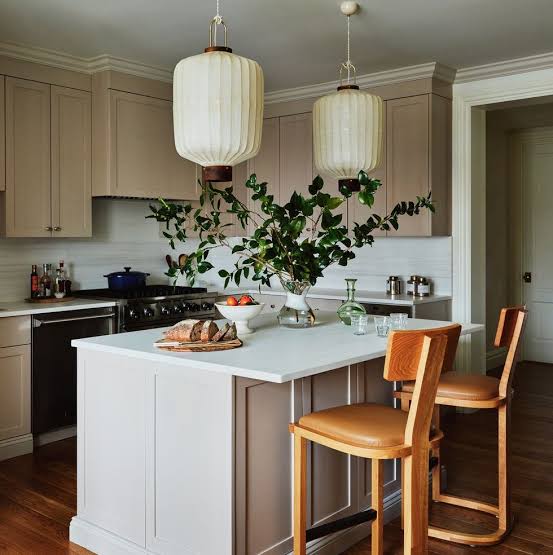
    Under-cabinet lighting can illuminate countertops, while ceiling fixtures provide general brightness. Pendant lights may also work well when there is sufficient ceiling space.

    Using suitable lighting throughout the kitchen improves visibility and makes cooking activities easier.

    Choosing Practical Countertops

    Countertops should provide enough working space without making the kitchen feel crowded. Light-colored quartz, granite, and laminate surfaces are popular options for different budgets.

    A compact countertop design with integrated storage can help improve functionality. Keeping unnecessary appliances and decorations away from the main working surface also creates more room for food preparation.

    Adding a Small Kitchen Island

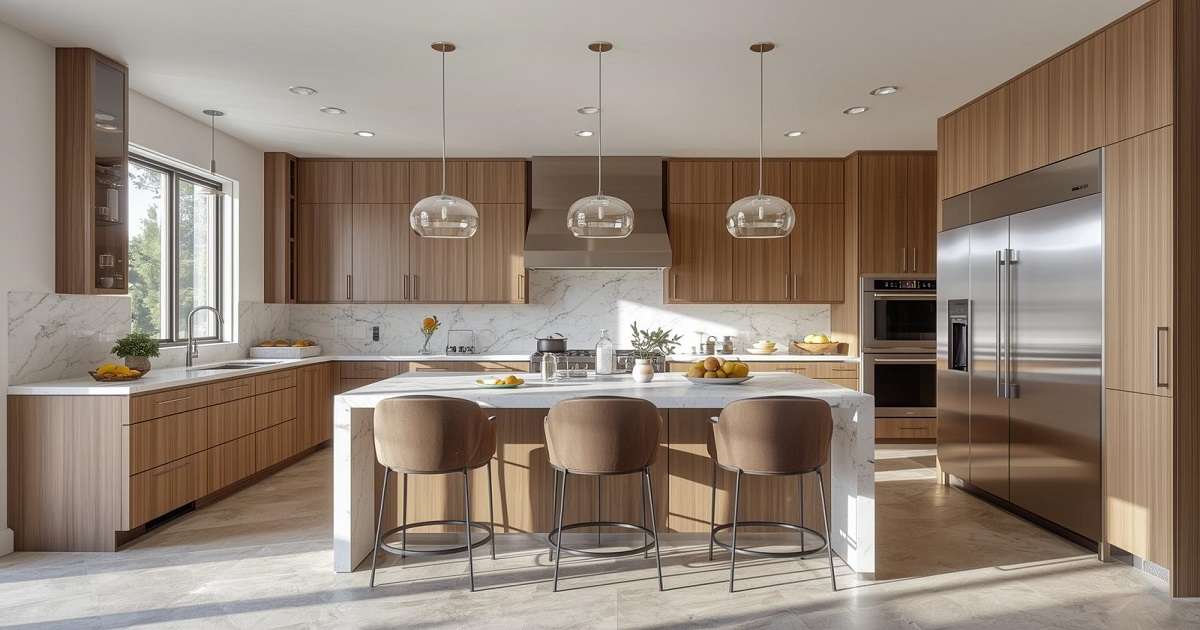
    A kitchen island can provide additional workspace and storage when the room has enough space. In smaller kitchens, a movable island or narrow breakfast counter may be more practical than a large permanent structure.

    Some compact islands include shelves, drawers, and seating areas, making them useful for multiple household activities.

    Keeping a Small Kitchen Organized

    Regular organization is essential for maintaining a comfortable small kitchen. Every item should have a suitable storage location, and unnecessary equipment should be removed from crowded areas.

    Homeowners can follow these simple practices:

    • Store frequently used items within easy reach.
    • Use wall-mounted racks for cooking utensils.
    • Keep dry ingredients in labeled containers.
    • Organize cabinets with adjustable shelves.
    • Clean countertops after every cooking session.
    • Avoid purchasing unnecessary kitchen accessories.
    • Use drawer dividers to separate utensils.

    Conclusion

    Designing a small kitchen requires creativity, thoughtful planning, and practical storage solutions. By choosing an efficient layout, light colors, compact appliances, and suitable lighting, homeowners can create a space that feels comfortable and spacious. Even simple improvements can make a significant difference in everyday kitchen activities. With proper organization and regular maintenance, a small kitchen can become one of the most attractive and useful areas of any home.
  • Building a Kitchen That Combines Style and Function

    Building a Kitchen That Combines Style and Function

    A well-designed kitchen can make a home feel more comfortable, organized, and welcoming. It is one of the few spaces where appearance and practicality need to work together every day. From preparing simple breakfasts to cooking meals for family gatherings, the kitchen supports many household activities. Creating an attractive and functional environment requires careful planning, suitable materials, and attention to everyday details.

    The first step in creating a useful kitchen is understanding the available space. A large kitchen may provide room for an island, additional cabinets, and a separate dining area, while a smaller kitchen requires more creative planning. Every section should have a clear purpose, and frequently used items should remain easy to access. A practical arrangement can reduce unnecessary movement and make cooking more comfortable.

    Cabinet design has a significant influence on the overall appearance of the room. Some homeowners prefer traditional wooden finishes because they create a warm and timeless atmosphere. Others choose modern cabinets with smooth surfaces, simple handles, and understated colours. Regardless of the preferred style, storage capacity should remain a priority. Deep drawers, corner storage units, and tall pantry cabinets can help keep everyday essentials organized without occupying unnecessary floor space.

    The kitchen island has also become a popular feature in contemporary homes. When enough space is available, an island can provide an additional work surface, storage compartments, and seating for casual meals. It can also create a natural meeting point where family members can talk while someone prepares dinner. However, the island should never make movement difficult or restrict access to essential appliances.

    Countertop selection requires similar consideration. A kitchen worktop needs to withstand regular use while maintaining its appearance. Quartz is appreciated for its consistent finish and durability, while natural granite offers distinctive patterns. Laminate surfaces provide another option for homeowners looking for affordable designs. Before choosing a material, it is sensible to consider cleaning requirements, resistance to everyday wear, and the overall renovation budget.

    A backsplash can protect kitchen walls while adding a decorative element. It is especially useful behind cooking ranges and sinks, where grease and water splashes are common. Ceramic tiles, porcelain panels, and glass finishes offer different design possibilities. Selecting a backsplash that complements the worktop and cabinets helps create a coordinated appearance.

    Lighting should be planned according to the different activities performed in the kitchen. General ceiling lights illuminate the entire room, while task lighting provides additional visibility around sinks and preparation counters. Under-cabinet fixtures are particularly useful because they brighten work surfaces without taking up valuable space. If the kitchen has windows, making the most of natural daylight can also improve its atmosphere.

    Appliances are another important consideration. A refrigerator with sufficient storage capacity, a reliable oven, and an efficient dishwasher can make household responsibilities easier. However, choosing appliances simply because they look attractive can lead to unnecessary expenses. Homeowners should compare dimensions, energy efficiency, available functions, and maintenance requirements before making purchasing decisions.

    Keeping the kitchen clean and organized is just as important as selecting the right design. Food containers should be arranged properly, frequently used utensils should have convenient storage locations, and countertops should be cleaned after meal preparation. Regularly checking cupboards and refrigerators can prevent food waste and help maintain a hygienic environment. Good ventilation also helps remove excess steam and cooking odors.

    Another useful consideration is sustainability. Energy-efficient appliances, long-lasting materials, water-saving taps, and reusable food storage containers can support more responsible household habits. Planning meals and storing ingredients correctly can also reduce the amount of food that gets wasted. These small decisions can contribute to a more efficient home without requiring significant lifestyle changes.

    Ultimately, the ideal kitchen is one that reflects the household’s needs while offering a comfortable place to prepare food and spend time together. Beautiful finishes can improve its appearance, but practical storage, reliable equipment, good lighting, and easy maintenance determine how well it performs. With thoughtful planning and regular care, any kitchen can become a valuable and enjoyable part of the home.

  • Kitchen Organization: Simple Ways to Create a Clean and Functional Kitchen

    Kitchen Organization: Simple Ways to Create a Clean and Functional Kitchen

    A well-organized kitchen makes everyday household activities easier and more enjoyable. Whether preparing breakfast, cooking dinner, or hosting guests, having everything in the right place saves time and reduces unnecessary stress. A kitchen does not need to be large or expensive to look beautiful. With thoughtful organization, practical storage solutions, and regular cleaning, any cooking space can become comfortable and attractive.

    Why Kitchen Organization Matters

    Kitchen organization is important because it improves efficiency and creates a pleasant cooking environment. When utensils, ingredients, appliances, and cookware are properly arranged, homeowners can find what they need without searching through crowded cabinets.

    An organized kitchen also helps prevent food waste. Keeping groceries in clearly arranged storage areas makes it easier to identify available ingredients and check expiration dates. Additionally, clean countertops provide more room for food preparation.

    Organizing Kitchen Cabinets

    Cabinets are essential for maintaining an organized kitchen. However, poorly arranged cabinets can quickly become overcrowded. The best approach is to divide storage areas according to the type of items they contain.

    Store plates and glasses together, keep cooking pots in another cabinet, and reserve a separate area for dry food ingredients. Adjustable shelves and cabinet organizers can make better use of available space.

    Frequently used items should be placed at an accessible height, while seasonal or rarely used equipment can be stored on higher shelves.

    Making Better Use of Kitchen Drawers

    Kitchen drawers provide convenient storage for smaller cooking essentials. Instead of placing everything together, homeowners can use drawer dividers to separate spoons, forks, knives, and other utensils.

    Larger drawers can hold kitchen towels, cutting boards, and cooking accessories. Organizing drawers properly prevents clutter and makes it easier to locate essential tools during meal preparation.

    Keeping Countertops Clutter-Free

    Countertops are among the most important working areas in a kitchen. Keeping them clean and organized creates additional preparation space and improves the overall appearance of the room.

    Small appliances such as toasters, blenders, and coffee makers should be arranged according to how frequently they are used. Appliances that are rarely needed can be stored in cabinets to create more available workspace.

    Decorative containers, small plants, and attractive storage jars can add personality without making countertops look overcrowded.

    Smart Food Storage Solutions

    Proper food storage helps maintain freshness and reduce unnecessary waste. Dry ingredients such as flour, rice, sugar, and pasta should be stored in airtight containers.

    Fresh vegetables and fruits should be kept in suitable storage conditions. Refrigerated foods should be organized carefully, and leftovers should be placed in clean, covered containers.

    Labeling storage containers with product names and dates can make grocery management easier.

    Maintaining Kitchen Hygiene

    A clean kitchen supports a healthier home environment. Food preparation surfaces should be cleaned regularly, and dishes should not be left unwashed for extended periods.

    Here are several useful kitchen cleaning habits:

    • Wipe countertops after preparing food.
    • Wash cutting boards and utensils properly.
    • Clean the refrigerator regularly.
    • Empty kitchen bins frequently.
    • Sweep and mop the floor.
    • Keep sinks and drains clean.
    • Remove grease from cooking surfaces.
    • Store cleaning products safely away from food.

    Following these simple habits can prevent unpleasant odors and help maintain a comfortable cooking environment.

    Using Vertical Space Effectively

    Vertical storage is particularly useful in smaller kitchens. Wall-mounted shelves, hanging racks, and magnetic organizers can provide additional storage without occupying valuable countertop space.

    Spice racks can keep seasonings organized, while hooks can hold frequently used kitchen tools. These solutions make everyday items easier to access and help create a more spacious appearance.

    Adding Style to an Organized Kitchen

    Organization and decoration can work together to create an attractive kitchen. Matching storage containers, coordinated cabinet accessories, decorative lighting, and indoor plants can improve the overall design.

    Choosing a consistent color scheme also creates a balanced appearance. Neutral shades combined with natural materials often provide a timeless and welcoming atmosphere.

    Conclusion

    An organized kitchen makes cooking more convenient, improves cleanliness, and creates a comfortable environment for the entire family. By arranging cabinets, organizing drawers, managing food storage, and maintaining clean countertops, homeowners can make the most of their available space. Simple improvements and consistent cleaning habits can transform even a small kitchen into a beautiful, practical, and efficient part of the home.

  • Designing a Comfortable and Modern Kitchen

    Designing a Comfortable and Modern Kitchen

    A kitchen is much more than a room for preparing food. It is a central part of the home where daily routines begin, family meals are prepared, and people come together after a busy day. A thoughtfully designed kitchen can improve the overall comfort of a property while making everyday household activities easier. Whether the space is large or small, the right combination of design, organization, and practical features can create an enjoyable environment.

    Planning a kitchen renovation starts with understanding how the available space will be used. Some households need additional countertop space for preparing meals, while others require more cabinets to accommodate cookware, groceries, and appliances. Before making any changes, it is worth considering the number of people who regularly use the kitchen and the activities that take place there. This approach helps prevent design decisions that look attractive but create difficulties during everyday use.

    Cabinetry is one of the most noticeable elements of kitchen design. It influences both the appearance of the room and the amount of storage available. Traditional wooden cabinets provide a warm and familiar atmosphere, while contemporary styles often feature smooth surfaces and minimal hardware. Soft-close drawers, pull-out shelves, and adjustable storage compartments are useful additions that improve accessibility and reduce unnecessary clutter.

    Choosing the right countertop is equally important. Kitchen worktops experience regular contact with food, water, cooking equipment, and cleaning products. Materials should therefore be selected according to their durability and maintenance requirements. Granite offers a natural appearance, quartz provides a consistent finish, and laminate can be a practical option for homeowners working with a limited budget. A suitable surface should complement the cabinets while providing enough room for daily food preparation.

    Lighting deserves careful attention because it affects both functionality and atmosphere. A combination of natural and artificial lighting can make the kitchen feel more welcoming. Ceiling fixtures provide general illumination, while focused lights above preparation areas improve visibility during cooking. Pendant lighting can also add character above a breakfast counter or kitchen island. Choosing appropriate lighting positions helps eliminate dark corners and makes the entire room more practical.

    Flooring is another feature that contributes to the kitchen’s overall comfort. Since this area experiences frequent foot traffic and occasional spills, the flooring should be durable, slip-resistant, and easy to clean. Porcelain tiles, ceramic flooring, and suitable vinyl products are common choices. Homeowners should also consider how the flooring colour and texture will work with the cabinets, countertops, and surrounding interior design.

    Modern kitchen appliances can make everyday tasks considerably more convenient. Energy-efficient refrigerators, ovens, dishwashers, and cooking ranges help support household routines while potentially reducing energy consumption. However, appliances should always be selected according to available space and actual requirements. Measuring installation areas beforehand can prevent problems with cabinet openings, electrical connections, and ventilation.

    Organization is one of the simplest ways to improve an existing kitchen. Keeping frequently used cooking utensils near the preparation area saves time, while storing spices together makes ingredients easier to locate. Drawer organizers, wall-mounted racks, and clearly arranged pantry shelves can help create a more efficient working environment. It is also helpful to remove unnecessary items from countertops to maintain a clean and spacious appearance.

    Maintaining good hygiene is essential in every kitchen. Countertops, sinks, cutting boards, and frequently touched surfaces should be cleaned regularly. Food should be stored at appropriate temperatures, and waste bins should be emptied before unpleasant odors develop. Proper ventilation is also important because cooking releases heat, moisture, and airborne particles. A suitable extractor fan helps improve air circulation and creates a more comfortable indoor environment.

    Small decorative improvements can give a kitchen a completely different appearance without requiring a major renovation. Adding indoor plants, changing cabinet handles, introducing attractive storage containers, or installing a modern backsplash can refresh the space. Neutral colours provide a timeless foundation, while carefully selected accessories can introduce personality and warmth.

    Ultimately, a comfortable kitchen is created through thoughtful decisions rather than expensive materials alone. A practical layout, reliable appliances, organized storage, suitable lighting, and regular cleaning can transform the way a household uses this important space. By balancing personal preferences with everyday requirements, homeowners can create a kitchen that feels welcoming, remains functional, and supports their lifestyle for many years.

  • Kitchen Renovation Ideas: Transforming Your Kitchen into a Beautiful Space

    Kitchen Renovation Ideas: Transforming Your Kitchen into a Beautiful Space

    The kitchen is one of the busiest and most valuable areas of a home. It is where delicious meals are prepared, families spend time together, and daily household activities take place. A comfortable and attractive kitchen can make a home feel more welcoming while improving convenience and functionality. Renovating an outdated kitchen is an excellent way to create a fresh environment that matches modern living requirements.

    Planning a Successful Kitchen Renovation

    Every successful kitchen renovation begins with a clear plan. Homeowners should consider their available space, budget, storage requirements, and preferred design before starting any improvements. Planning helps avoid unnecessary expenses and ensures that the finished kitchen meets everyday needs.

    It is also important to identify existing problems. Limited storage, poor lighting, damaged countertops, and outdated appliances are common reasons homeowners decide to renovate their kitchens.

    Updating Kitchen Cabinets

    Replacing or refreshing kitchen cabinets can dramatically improve the appearance of the entire room. Modern cabinet designs offer a combination of attractive finishes and practical storage solutions.

    Homeowners can choose between traditional wooden cabinets, contemporary laminate finishes, and sleek painted surfaces. Soft-close drawers, adjustable shelves, and pull-out storage systems can make cabinets more convenient.

    For homeowners working with a limited budget, repainting existing cabinets and replacing old handles can provide an affordable transformation.

    Installing New Countertops

    Countertops are important because they provide the main working surface for preparing food and completing cooking activities. Renovating this area can improve both appearance and functionality.

    Quartz countertops are popular for their durability and easy maintenance. Granite provides a natural stone appearance, while laminate offers an affordable alternative in many colors and patterns.

    Before selecting a countertop, homeowners should consider cleaning requirements, durability, appearance, and overall renovation costs.

    Improving Kitchen Flooring

    Kitchen flooring should be attractive, durable, and easy to maintain. Since this area experiences frequent foot traffic, spills, and occasional moisture, selecting suitable flooring is essential.

    Ceramic and porcelain tiles are common choices because they are available in different designs and are relatively easy to clean. Homeowners can also explore other flooring materials designed for residential kitchen environments.

    Choosing a suitable floor color can help create a balanced appearance that complements cabinets and countertops.

    Enhancing Kitchen Lighting

    Good lighting improves visibility and makes cooking activities safer. A renovation provides an opportunity to replace outdated lighting fixtures with modern alternatives.

    Ceiling lights can illuminate the entire room, while under-cabinet lighting provides additional brightness for food preparation. Pendant lights are another attractive option for kitchen islands and breakfast counters.

    Whenever possible, natural light should also be encouraged through windows and suitable window treatments.

    Creating More Storage Space

    Storage improvements can make a renovated kitchen significantly more practical. Deep drawers, corner cabinets, pantry organizers, and wall-mounted shelves help homeowners use available space efficiently.

    Small kitchens can benefit from vertical storage and multifunctional furniture. Keeping frequently used items within easy reach also makes daily cooking more convenient.

    Choosing Energy-Efficient Appliances

    Kitchen renovations are an excellent opportunity to replace outdated appliances. Modern refrigerators, ovens, dishwashers, and cooking ranges often include energy-saving features that can reduce household energy consumption.

    Before purchasing new appliances, homeowners should measure the available installation space and compare product features. Selecting reliable appliances can provide long-term convenience and value.

    Maintaining Your Renovated Kitchen

    After completing a renovation, regular maintenance helps protect the investment. Cleaning countertops, checking plumbing connections, maintaining appliances, and keeping cabinets dry can prevent common problems.

    Homeowners should also clean ventilation filters regularly and address minor repairs before they become expensive issues.

    Conclusion

    Kitchen renovation is a valuable way to improve the comfort, appearance, and functionality of a home. From modern cabinets and attractive countertops to better lighting and efficient appliances, small improvements can create a significant transformation. Careful planning, suitable material selection, and regular maintenance help ensure that a renovated kitchen remains beautiful, organized, and practical for many years.

  • Making the Kitchen a More Functional Living Space

    Making the Kitchen a More Functional Living Space

    A kitchen is an essential part of everyday home life, providing a dedicated space for preparing meals, organizing groceries, and spending quality time with family. Although its main purpose is cooking, a well-designed kitchen can also become a comfortable place for conversations, morning coffee, and casual gatherings. Creating a space that balances appearance and functionality can make a noticeable difference in how a household operates.

    One of the most important aspects of kitchen planning is choosing a layout that supports daily activities. A practical arrangement should provide enough room for food preparation, cooking, washing dishes, and storing essential items. Homeowners should consider how frequently they use different appliances and work surfaces before deciding where everything belongs. A carefully planned layout reduces unnecessary movement and makes the cooking process more convenient.

    The selection of kitchen materials also influences durability and appearance. Cabinets, flooring, countertops, and wall finishes should complement one another while remaining suitable for regular use. For example, ceramic tiles are a popular flooring choice because they are relatively easy to clean, while quartz countertops offer an attractive and durable working surface. Choosing quality materials from the beginning can reduce the need for frequent replacements.

    Storage is particularly important in kitchens where space is limited. Poor organization can quickly lead to crowded countertops and difficult-to-access cupboards. Installing additional drawers, adjustable shelves, and built-in organizers can help homeowners make better use of available space. A dedicated pantry is also useful for keeping dry food, spices, and household supplies organized. Keeping similar items together makes it easier to find ingredients when preparing meals.

    Modern kitchens often include appliances designed to simplify household responsibilities. Dishwashers reduce the time spent washing dishes manually, while microwave ovens and modern cooking ranges offer greater convenience during busy schedules. Refrigerators with flexible storage compartments can also help organize groceries more effectively. When selecting appliances, it is sensible to consider energy ratings, dimensions, reliability, and maintenance costs rather than focusing only on appearance.

    Colour selection can have a major effect on the overall atmosphere. Soft white, beige, grey, and natural wood finishes create a timeless appearance that works with many interior styles. Homeowners who prefer something more distinctive might introduce contrasting cabinet colours, decorative backsplashes, or modern handles. Even small decorative details can give an ordinary kitchen a more personalized character without requiring extensive renovation work.

    Another feature worth considering is the kitchen backsplash. This area protects the wall behind cooking and washing stations from grease, moisture, and food splashes. Glass, ceramic, and porcelain tiles are commonly used because they offer different colours and patterns while remaining relatively easy to maintain. Selecting a backsplash that complements the countertops and cabinets can bring the entire design together.

    Cleanliness should remain a priority regardless of the kitchen’s size or style. Food preparation surfaces need regular cleaning, and kitchen waste should be removed before unpleasant odors develop. Refrigerators should also be checked periodically to remove expired products and prevent unnecessary food waste. Establishing simple cleaning habits makes it easier to maintain a hygienic environment without spending hours on household chores.

    Ventilation is equally necessary because cooking releases moisture, smoke, and odors into the surrounding air. An appropriately sized extractor hood can help remove these unwanted elements and improve indoor comfort. Good ventilation is especially valuable in smaller kitchens where steam and cooking smells can spread quickly into nearby rooms.

    Homeowners should also think about future requirements when improving their kitchens. A family may eventually need additional storage, more preparation space, or appliances with greater capacity. Choosing flexible storage systems and practical finishes can help the kitchen adapt to changing household needs. It is often more beneficial to invest in useful improvements than to spend money on decorative features that offer little everyday value.

    Ultimately, a successful kitchen should make daily routines easier while reflecting the personality of the people living in the home. Thoughtful organization, durable materials, suitable appliances, and proper lighting all contribute to a comfortable environment. Whether someone is updating a small apartment kitchen or renovating a large family space, focusing on practical details can create a welcoming room that remains useful and attractive for years.

  • Modern Kitchen Design: Creating a Functional and Stylish Cooking Space

    Modern Kitchen Design: Creating a Functional and Stylish Cooking Space

    A kitchen is an essential part of every home, serving as a place for cooking, preparing meals, and spending quality time with family. A beautiful and functional kitchen can improve daily routines while adding value to a property. Whether someone prefers a traditional design or a modern appearance, creating a comfortable kitchen requires thoughtful planning, suitable materials, and proper organization.

    Understanding Modern Kitchen Design

    Modern kitchen design focuses on simplicity, functionality, and attractive details. Clean lines, organized storage, neutral colors, and practical layouts are common features of contemporary kitchens. Homeowners often choose white, cream, gray, and natural wood shades because they create a fresh and welcoming atmosphere.

    An effective kitchen layout should provide enough space for cooking, cleaning, and storing essential items. Cabinets, countertops, and appliances should be positioned conveniently to make everyday activities easier.

    Making the Most of Kitchen Storage

    Storage is one of the biggest considerations when designing a kitchen. Without proper storage solutions, even a large kitchen can become cluttered. Cabinets, drawers, pantry shelves, and wall-mounted racks help keep everything organized.

    Pull-out drawers are useful for storing pots, pans, and cooking utensils. Vertical shelves can provide additional space for spices and ingredients. Homeowners with smaller kitchens can use corner cabinets and overhead storage to maximize available space.

    Choosing Attractive Kitchen Colors

    Color selection plays an important role in creating the desired kitchen atmosphere. Light colors can make smaller kitchens appear larger and brighter, while darker shades create a sophisticated appearance.

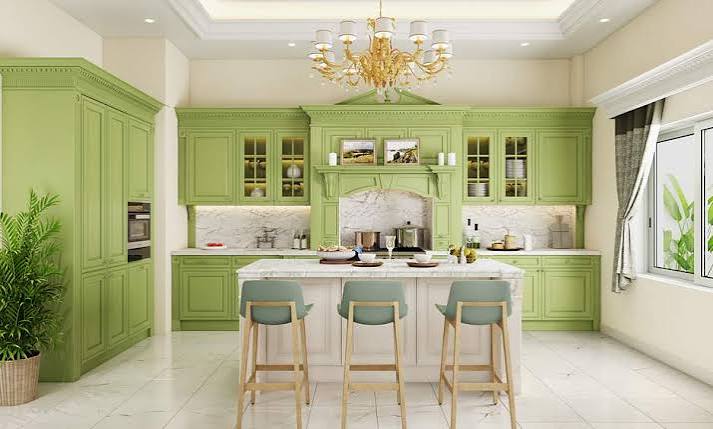
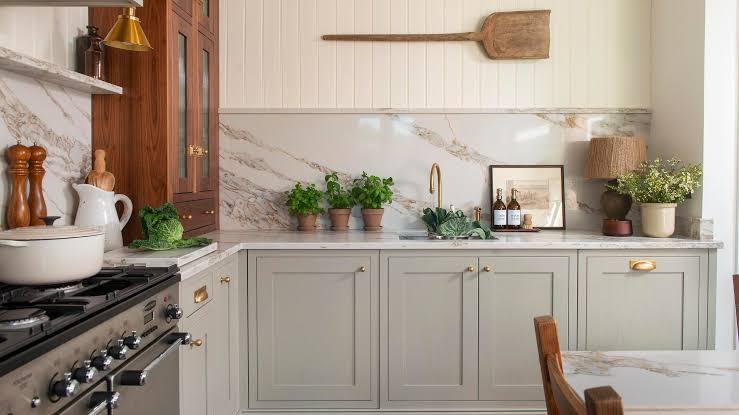
    White cabinets combined with wooden countertops can produce a warm and timeless design. Gray cabinets with metallic handles offer a contemporary look. Adding colorful accessories, decorative tiles, or indoor plants can introduce personality without overwhelming the space.

    Importance of Quality Kitchen Materials

    Selecting reliable materials is important for maintaining a beautiful kitchen over time. Cabinets should be made from materials suitable for kitchen conditions, where moisture and temperature changes are common.

    Countertops should resist everyday wear and remain easy to clean. Flooring should provide durability, comfort, and slip resistance. Ceramic tiles, porcelain tiles, and other suitable flooring materials can help create a practical kitchen environment.

    Creating an Efficient Cooking Area

    A functional cooking area allows homeowners to prepare meals comfortably. The stove, refrigerator, and sink should be arranged to support smooth movement between different activities.

    Keeping frequently used ingredients near the cooking area saves time. Proper ventilation is equally important because it helps remove cooking odors, smoke, and excess moisture. Installing an effective range hood or exhaust fan can improve indoor air quality.

    Adding Modern Kitchen Technology

    Technology has made kitchen activities more convenient. Modern appliances offer features that help save time and energy. Energy-efficient refrigerators, induction cooktops, smart ovens, and dishwashers are popular options for contemporary households.

    However, homeowners should choose technology according to their actual needs and budgets. Investing in useful appliances is generally more beneficial than purchasing expensive features that are rarely used.

    Maintaining a Fresh and Hygienic Kitchen

    Regular maintenance helps preserve the appearance and cleanliness of a kitchen. Food preparation surfaces should be cleaned after use, and kitchen waste should be disposed of properly. Refrigerators and storage cabinets also need occasional cleaning to prevent unpleasant smells and food contamination.

    Good ventilation, proper food storage, and regular floor cleaning contribute to a healthier cooking environment.

    Conclusion

    A modern kitchen should combine attractive design with everyday practicality. From choosing suitable cabinets and countertops to improving lighting and storage, every detail contributes to a comfortable cooking environment. Homeowners do not need a large budget to create an appealing kitchen. With smart planning, quality materials, and regular maintenance, any kitchen can become a beautiful and functional space that supports family life for years to come.

  • Creating a Kitchen That Makes Everyday Living Better

    Creating a Kitchen That Makes Everyday Living Better

    The kitchen is often considered the busiest room in a home because it serves many purposes throughout the day. From preparing breakfast in the morning to cooking dinner in the evening, this space supports everyday routines and brings family members together. A comfortable kitchen can make household activities more enjoyable while adding practical value to the entire property.

    When planning a kitchen, the first thing I would consider is how the available space will be used. Every household has different requirements, so the layout should reflect personal cooking habits, family size, and storage needs. Some people prefer a spacious cooking area with a central island, while others need a compact arrangement that makes the best use of limited space. A well-planned layout allows people to move comfortably between the refrigerator, sink, and cooking area without unnecessary obstacles.

    The choice of cabinets can also influence the overall appearance and functionality of a kitchen. Cabinets provide essential storage for dishes, cookware, food supplies, and small appliances. Modern designs often feature simple doors, smooth finishes, and practical internal organizers. Light-coloured cabinets can make a smaller kitchen appear more spacious, while darker finishes may create a warm and sophisticated atmosphere. The most important consideration is choosing materials that are durable and easy to maintain.

    Countertops are another feature that deserve attention during kitchen improvements. Since these surfaces are used regularly for food preparation, they should be strong enough to handle everyday activities. Quartz, granite, and other countertop materials offer different combinations of appearance, durability, and maintenance requirements. A suitable countertop can improve both the working experience and the visual appeal of the room.

    Lighting can completely change how a kitchen looks and feels. A dark kitchen may appear smaller and less inviting, whereas well-positioned lighting creates a brighter and more comfortable environment. Pendant lights above an island can provide an attractive focal point, while under-cabinet lighting helps illuminate work surfaces. Natural daylight is equally valuable, so keeping windows unobstructed can improve the atmosphere during the daytime.

    Appliance placement should be considered carefully to prevent unnecessary inconvenience. Refrigerators, ovens, dishwashers, and cooking ranges need sufficient surrounding space for safe and comfortable operation. Choosing energy-efficient appliances can also help reduce household electricity consumption over time. Before purchasing new equipment, homeowners should measure the available spaces and check installation requirements to avoid unexpected problems.

    Keeping a kitchen organized requires a combination of good storage solutions and consistent habits. Frequently used utensils should remain within easy reach, while less frequently used equipment can be stored in higher cabinets. Drawer dividers, pantry organizers, and pull-out storage units can help reduce clutter. I also recommend keeping countertops as clear as possible because an organized working surface makes food preparation easier.

    Ventilation is another important element that should never be overlooked. Cooking produces heat, moisture, and odors that can affect indoor comfort if they are not properly managed. An extractor fan or suitable ventilation system helps remove unwanted air and keeps the kitchen feeling fresh. Regular cleaning of filters and ventilation equipment also supports better performance.

    Maintenance plays a major role in preserving the condition of kitchen surfaces and appliances. Cleaning spills immediately, wiping cabinets regularly, checking plumbing connections, and maintaining cooking equipment can prevent small issues from becoming expensive repairs. Homeowners should also pay attention to areas around sinks and dishwashers because excessive moisture can gradually damage surrounding materials.

    A beautiful kitchen does not necessarily require a complete renovation or an expensive budget. Small improvements, such as replacing cabinet handles, updating lighting, adding organized shelving, or introducing fresh colours, can make a noticeable difference. The key is to focus on improvements that support everyday needs rather than following every temporary design trend.

    Ultimately, a successful kitchen combines practical planning with personal style. It should provide enough room for cooking, convenient storage for household essentials, and a comfortable atmosphere for family activities. By selecting suitable materials, maintaining appliances, and keeping everything organized, homeowners can create a kitchen that remains functional, attractive, and welcoming for many years.

  • The Kitchen: The Heart of Every Home

    The Kitchen: The Heart of Every Home

    A kitchen is one of the most important spaces in any home. It is more than just a place where meals are prepared; it is where families gather, conversations happen, and wonderful memories are created. A clean, comfortable, and well-organized kitchen makes everyday life easier and more enjoyable.

    The Importance of a Well-Designed Kitchen

    A well-designed kitchen provides convenience, functionality, and beauty. Whether you have a small kitchen in an apartment or a large kitchen in a family home, proper planning can make a significant difference. Every element, from cabinets and countertops to lighting and appliances, contributes to the overall experience.

    An organized kitchen also saves time. When cooking tools, ingredients, and appliances have their own designated places, preparing meals becomes much easier. Homeowners should consider their daily routines when arranging kitchen spaces to ensure everything is accessible.

    Choosing the Right Kitchen Cabinets

    Kitchen cabinets play an essential role in maintaining an organized environment. They provide storage for dishes, cookware, utensils, groceries, and other household essentials. Modern cabinets are available in different materials, colors, and designs.

    Wooden cabinets offer a traditional and warm appearance, while modern laminate cabinets provide a sleek and affordable option. White, gray, beige, and natural wood finishes are popular choices for creating attractive kitchen interiors.

    Selecting Durable Countertops

    Countertops are among the most frequently used surfaces in a kitchen. They should be attractive, durable, and easy to maintain. Granite, quartz, marble, and laminate are common countertop materials.

    Quartz is popular because of its durability and low maintenance requirements. Granite offers a natural appearance, while laminate provides an economical solution for homeowners working with a limited budget.

    Modern Kitchen Appliances

    Kitchen appliances make cooking faster and more convenient. Refrigerators, ovens, microwaves, dishwashers, and cooking ranges are essential appliances in many modern homes.

    When selecting appliances, homeowners should consider energy efficiency, available space, maintenance requirements, and everyday cooking needs. Choosing appropriately sized appliances can help maintain a balanced and functional kitchen layout.

    Keeping the Kitchen Clean and Organized

    Kitchen cleanliness is important for maintaining a healthy cooking environment. Regularly cleaning countertops, washing dishes, organizing cabinets, and properly storing food can prevent unpleasant odors and unnecessary clutter.

    Here are some simple ways to maintain an organized kitchen:

    • Clean countertops after preparing meals.
    • Store frequently used utensils in accessible locations.
    • Keep dry ingredients in sealed containers.
    • Clean kitchen appliances regularly.
    • Dispose of expired food products.
    • Sweep and mop the floor frequently.
    • Maintain proper ventilation while cooking.

    Improving Kitchen Lighting

    Lighting can completely change the appearance and functionality of a kitchen. Natural light creates a welcoming atmosphere, while artificial lighting helps homeowners prepare meals safely.

    Ceiling lights provide general illumination, while under-cabinet lights make food preparation easier. Pendant lights above kitchen islands can also add a stylish decorative touch.

    Creating a Beautiful Kitchen on a Budget

    Improving a kitchen does not always require an expensive renovation. Small changes can make a noticeable difference. Painting old cabinets, replacing cabinet handles, adding decorative shelves, installing better lighting, and organizing storage areas are affordable ways to refresh the space.

    Homeowners can also introduce indoor plants, attractive containers, and simple wall decorations to create a welcoming environment without spending too much money.

    Conclusion

    The kitchen is the heart of every home because it combines functionality, comfort, and family life. A thoughtfully designed kitchen makes cooking easier, improves organization, and creates an inviting atmosphere. By choosing suitable cabinets, durable countertops, practical appliances, and effective lighting, homeowners can create a kitchen that meets their needs and reflects their personal style. Regular cleaning and proper maintenance will also help keep this important space beautiful and useful for many years.

  • The Kitchen: The Heart of Every Home

    The Kitchen: The Heart of Every Home

    A kitchen is one of the most important spaces in any home. It is more than just a place where meals are prepared. It is where families gather, conversations happen, and everyday memories are created. Whether someone lives in a small apartment or a large family house, a comfortable and well-organized kitchen can make daily life easier and more enjoyable.

    A good kitchen should combine functionality, comfort, and attractive design. The arrangement of cabinets, countertops, appliances, and storage areas plays an important role in creating a practical environment. When everything has its proper place, cooking becomes less stressful and cleaning requires less effort. Even a simple kitchen can look beautiful when its available space is used wisely.

    Kitchen design has changed considerably over the years. Modern homeowners often prefer open layouts that connect the kitchen with dining and living areas. This arrangement creates a welcoming atmosphere and allows family members to spend time together while preparing meals. Natural lighting, neutral colours, and simple finishes are also popular choices because they make the space feel brighter and more spacious.

    Storage is another essential part of a functional kitchen. Cabinets, drawers, shelves, and pantry units help keep cooking ingredients, utensils, and appliances organized. I always consider storage requirements before deciding on a kitchen layout because insufficient storage can quickly make even a beautiful kitchen feel cluttered. Pull-out shelves, corner organizers, and vertical storage solutions can make a significant difference, especially in smaller homes.

    Countertops also deserve careful consideration. They provide the working surface for chopping vegetables, preparing ingredients, and arranging dishes. Materials such as granite, quartz, and laminate offer different advantages depending on the homeowner’s budget and preferences. Choosing a durable and easy-to-clean surface can help maintain the kitchen’s appearance for many years.

    Lighting is equally important. A combination of ceiling lights, under-cabinet lighting, and natural daylight can improve visibility and create a pleasant atmosphere. Good lighting makes food preparation safer while highlighting attractive design features. Installing task lighting above countertops and cooking areas is particularly useful for everyday activities.

    Kitchen appliances contribute significantly to convenience. Refrigerators, ovens, microwaves, dishwashers, and cooking ranges help reduce the time and effort required for household tasks. However, selecting appliances should involve more than considering their appearance. Energy efficiency, available space, maintenance requirements, and everyday usage should all influence purchasing decisions.

    Cleanliness is essential for maintaining a healthy kitchen environment. Regularly wiping countertops, washing dishes, cleaning appliances, and organizing food storage areas can prevent unpleasant smells and unnecessary mess. Proper ventilation is also valuable because cooking often produces steam, smoke, and strong odors. An effective extractor fan can help maintain fresh indoor air.

    Another growing trend is the use of environmentally friendly kitchen materials and energy-efficient appliances. Homeowners are increasingly interested in reducing water consumption, minimizing food waste, and choosing durable products that last longer. Simple habits, such as using reusable storage containers and planning meals carefully, can also make a positive difference.

    Ultimately, the best kitchen is one that suits the needs of the people using it. Expensive materials and complicated designs are not necessary to create a comfortable space. A thoughtful layout, sufficient storage, reliable appliances, and regular maintenance can transform an ordinary kitchen into a practical and welcoming part of the home. With the right combination of design and organization, a kitchen can remain beautiful, functional, and enjoyable for years.