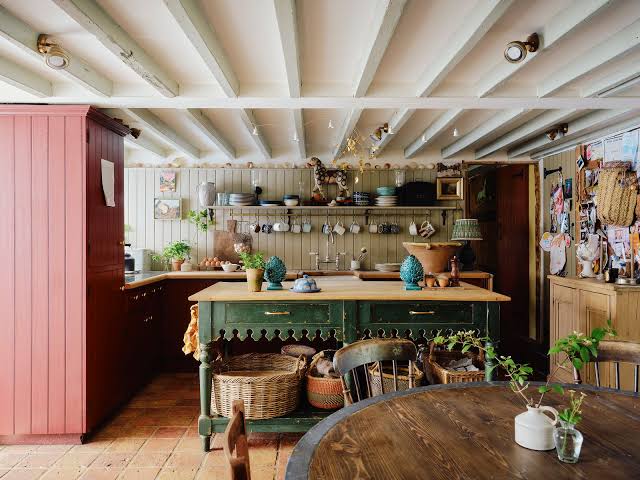
A well-designed kitchen can make a home feel more comfortable, organized, and welcoming. It is one of the few spaces where appearance and practicality need to work together every day. From preparing simple breakfasts to cooking meals for family gatherings, the kitchen supports many household activities. Creating an attractive and functional environment requires careful planning, suitable materials, and attention to everyday details.
The first step in creating a useful kitchen is understanding the available space. A large kitchen may provide room for an island, additional cabinets, and a separate dining area, while a smaller kitchen requires more creative planning. Every section should have a clear purpose, and frequently used items should remain easy to access. A practical arrangement can reduce unnecessary movement and make cooking more comfortable.
Cabinet design has a significant influence on the overall appearance of the room. Some homeowners prefer traditional wooden finishes because they create a warm and timeless atmosphere. Others choose modern cabinets with smooth surfaces, simple handles, and understated colours. Regardless of the preferred style, storage capacity should remain a priority. Deep drawers, corner storage units, and tall pantry cabinets can help keep everyday essentials organized without occupying unnecessary floor space.
The kitchen island has also become a popular feature in contemporary homes. When enough space is available, an island can provide an additional work surface, storage compartments, and seating for casual meals. It can also create a natural meeting point where family members can talk while someone prepares dinner. However, the island should never make movement difficult or restrict access to essential appliances.
Countertop selection requires similar consideration. A kitchen worktop needs to withstand regular use while maintaining its appearance. Quartz is appreciated for its consistent finish and durability, while natural granite offers distinctive patterns. Laminate surfaces provide another option for homeowners looking for affordable designs. Before choosing a material, it is sensible to consider cleaning requirements, resistance to everyday wear, and the overall renovation budget.
A backsplash can protect kitchen walls while adding a decorative element. It is especially useful behind cooking ranges and sinks, where grease and water splashes are common. Ceramic tiles, porcelain panels, and glass finishes offer different design possibilities. Selecting a backsplash that complements the worktop and cabinets helps create a coordinated appearance.
Lighting should be planned according to the different activities performed in the kitchen. General ceiling lights illuminate the entire room, while task lighting provides additional visibility around sinks and preparation counters. Under-cabinet fixtures are particularly useful because they brighten work surfaces without taking up valuable space. If the kitchen has windows, making the most of natural daylight can also improve its atmosphere.
Appliances are another important consideration. A refrigerator with sufficient storage capacity, a reliable oven, and an efficient dishwasher can make household responsibilities easier. However, choosing appliances simply because they look attractive can lead to unnecessary expenses. Homeowners should compare dimensions, energy efficiency, available functions, and maintenance requirements before making purchasing decisions.
Keeping the kitchen clean and organized is just as important as selecting the right design. Food containers should be arranged properly, frequently used utensils should have convenient storage locations, and countertops should be cleaned after meal preparation. Regularly checking cupboards and refrigerators can prevent food waste and help maintain a hygienic environment. Good ventilation also helps remove excess steam and cooking odors.
Another useful consideration is sustainability. Energy-efficient appliances, long-lasting materials, water-saving taps, and reusable food storage containers can support more responsible household habits. Planning meals and storing ingredients correctly can also reduce the amount of food that gets wasted. These small decisions can contribute to a more efficient home without requiring significant lifestyle changes.
Ultimately, the ideal kitchen is one that reflects the household’s needs while offering a comfortable place to prepare food and spend time together. Beautiful finishes can improve its appearance, but practical storage, reliable equipment, good lighting, and easy maintenance determine how well it performs. With thoughtful planning and regular care, any kitchen can become a valuable and enjoyable part of the home.
Leave a Reply