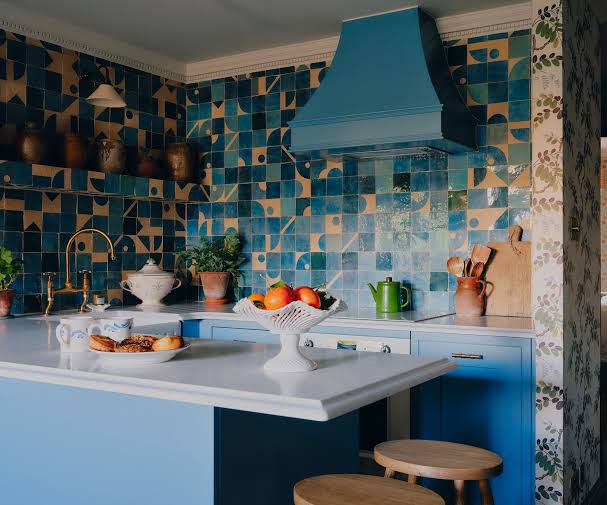
A kitchen is much more than a room for preparing food. It is a central part of the home where daily routines begin, family meals are prepared, and people come together after a busy day. A thoughtfully designed kitchen can improve the overall comfort of a property while making everyday household activities easier. Whether the space is large or small, the right combination of design, organization, and practical features can create an enjoyable environment.
Planning a kitchen renovation starts with understanding how the available space will be used. Some households need additional countertop space for preparing meals, while others require more cabinets to accommodate cookware, groceries, and appliances. Before making any changes, it is worth considering the number of people who regularly use the kitchen and the activities that take place there. This approach helps prevent design decisions that look attractive but create difficulties during everyday use.
Cabinetry is one of the most noticeable elements of kitchen design. It influences both the appearance of the room and the amount of storage available. Traditional wooden cabinets provide a warm and familiar atmosphere, while contemporary styles often feature smooth surfaces and minimal hardware. Soft-close drawers, pull-out shelves, and adjustable storage compartments are useful additions that improve accessibility and reduce unnecessary clutter.
Choosing the right countertop is equally important. Kitchen worktops experience regular contact with food, water, cooking equipment, and cleaning products. Materials should therefore be selected according to their durability and maintenance requirements. Granite offers a natural appearance, quartz provides a consistent finish, and laminate can be a practical option for homeowners working with a limited budget. A suitable surface should complement the cabinets while providing enough room for daily food preparation.
Lighting deserves careful attention because it affects both functionality and atmosphere. A combination of natural and artificial lighting can make the kitchen feel more welcoming. Ceiling fixtures provide general illumination, while focused lights above preparation areas improve visibility during cooking. Pendant lighting can also add character above a breakfast counter or kitchen island. Choosing appropriate lighting positions helps eliminate dark corners and makes the entire room more practical.
Flooring is another feature that contributes to the kitchen’s overall comfort. Since this area experiences frequent foot traffic and occasional spills, the flooring should be durable, slip-resistant, and easy to clean. Porcelain tiles, ceramic flooring, and suitable vinyl products are common choices. Homeowners should also consider how the flooring colour and texture will work with the cabinets, countertops, and surrounding interior design.
Modern kitchen appliances can make everyday tasks considerably more convenient. Energy-efficient refrigerators, ovens, dishwashers, and cooking ranges help support household routines while potentially reducing energy consumption. However, appliances should always be selected according to available space and actual requirements. Measuring installation areas beforehand can prevent problems with cabinet openings, electrical connections, and ventilation.
Organization is one of the simplest ways to improve an existing kitchen. Keeping frequently used cooking utensils near the preparation area saves time, while storing spices together makes ingredients easier to locate. Drawer organizers, wall-mounted racks, and clearly arranged pantry shelves can help create a more efficient working environment. It is also helpful to remove unnecessary items from countertops to maintain a clean and spacious appearance.
Maintaining good hygiene is essential in every kitchen. Countertops, sinks, cutting boards, and frequently touched surfaces should be cleaned regularly. Food should be stored at appropriate temperatures, and waste bins should be emptied before unpleasant odors develop. Proper ventilation is also important because cooking releases heat, moisture, and airborne particles. A suitable extractor fan helps improve air circulation and creates a more comfortable indoor environment.
Small decorative improvements can give a kitchen a completely different appearance without requiring a major renovation. Adding indoor plants, changing cabinet handles, introducing attractive storage containers, or installing a modern backsplash can refresh the space. Neutral colours provide a timeless foundation, while carefully selected accessories can introduce personality and warmth.
Ultimately, a comfortable kitchen is created through thoughtful decisions rather than expensive materials alone. A practical layout, reliable appliances, organized storage, suitable lighting, and regular cleaning can transform the way a household uses this important space. By balancing personal preferences with everyday requirements, homeowners can create a kitchen that feels welcoming, remains functional, and supports their lifestyle for many years.
Leave a Reply