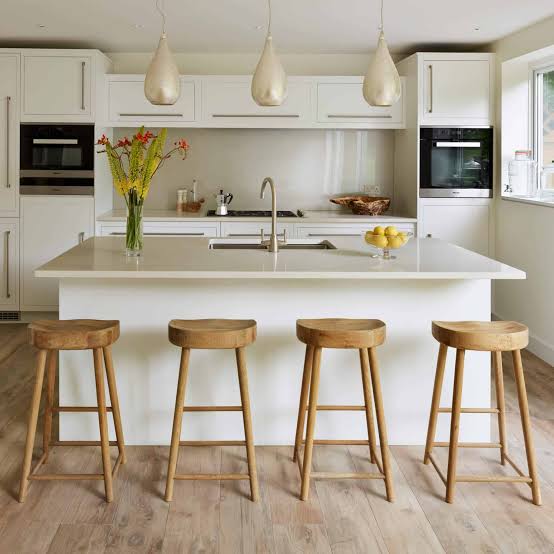
The kitchen is often considered the busiest room in a home because it serves many purposes throughout the day. From preparing breakfast in the morning to cooking dinner in the evening, this space supports everyday routines and brings family members together. A comfortable kitchen can make household activities more enjoyable while adding practical value to the entire property.
When planning a kitchen, the first thing I would consider is how the available space will be used. Every household has different requirements, so the layout should reflect personal cooking habits, family size, and storage needs. Some people prefer a spacious cooking area with a central island, while others need a compact arrangement that makes the best use of limited space. A well-planned layout allows people to move comfortably between the refrigerator, sink, and cooking area without unnecessary obstacles.
The choice of cabinets can also influence the overall appearance and functionality of a kitchen. Cabinets provide essential storage for dishes, cookware, food supplies, and small appliances. Modern designs often feature simple doors, smooth finishes, and practical internal organizers. Light-coloured cabinets can make a smaller kitchen appear more spacious, while darker finishes may create a warm and sophisticated atmosphere. The most important consideration is choosing materials that are durable and easy to maintain.
Countertops are another feature that deserve attention during kitchen improvements. Since these surfaces are used regularly for food preparation, they should be strong enough to handle everyday activities. Quartz, granite, and other countertop materials offer different combinations of appearance, durability, and maintenance requirements. A suitable countertop can improve both the working experience and the visual appeal of the room.
Lighting can completely change how a kitchen looks and feels. A dark kitchen may appear smaller and less inviting, whereas well-positioned lighting creates a brighter and more comfortable environment. Pendant lights above an island can provide an attractive focal point, while under-cabinet lighting helps illuminate work surfaces. Natural daylight is equally valuable, so keeping windows unobstructed can improve the atmosphere during the daytime.
Appliance placement should be considered carefully to prevent unnecessary inconvenience. Refrigerators, ovens, dishwashers, and cooking ranges need sufficient surrounding space for safe and comfortable operation. Choosing energy-efficient appliances can also help reduce household electricity consumption over time. Before purchasing new equipment, homeowners should measure the available spaces and check installation requirements to avoid unexpected problems.
Keeping a kitchen organized requires a combination of good storage solutions and consistent habits. Frequently used utensils should remain within easy reach, while less frequently used equipment can be stored in higher cabinets. Drawer dividers, pantry organizers, and pull-out storage units can help reduce clutter. I also recommend keeping countertops as clear as possible because an organized working surface makes food preparation easier.
Ventilation is another important element that should never be overlooked. Cooking produces heat, moisture, and odors that can affect indoor comfort if they are not properly managed. An extractor fan or suitable ventilation system helps remove unwanted air and keeps the kitchen feeling fresh. Regular cleaning of filters and ventilation equipment also supports better performance.
Maintenance plays a major role in preserving the condition of kitchen surfaces and appliances. Cleaning spills immediately, wiping cabinets regularly, checking plumbing connections, and maintaining cooking equipment can prevent small issues from becoming expensive repairs. Homeowners should also pay attention to areas around sinks and dishwashers because excessive moisture can gradually damage surrounding materials.
A beautiful kitchen does not necessarily require a complete renovation or an expensive budget. Small improvements, such as replacing cabinet handles, updating lighting, adding organized shelving, or introducing fresh colours, can make a noticeable difference. The key is to focus on improvements that support everyday needs rather than following every temporary design trend.
Ultimately, a successful kitchen combines practical planning with personal style. It should provide enough room for cooking, convenient storage for household essentials, and a comfortable atmosphere for family activities. By selecting suitable materials, maintaining appliances, and keeping everything organized, homeowners can create a kitchen that remains functional, attractive, and welcoming for many years.
Leave a Reply